30 Sep 2026
Tracing Token Pathways: How Bonus Mechanics Adapt Across European Regulatory Shifts
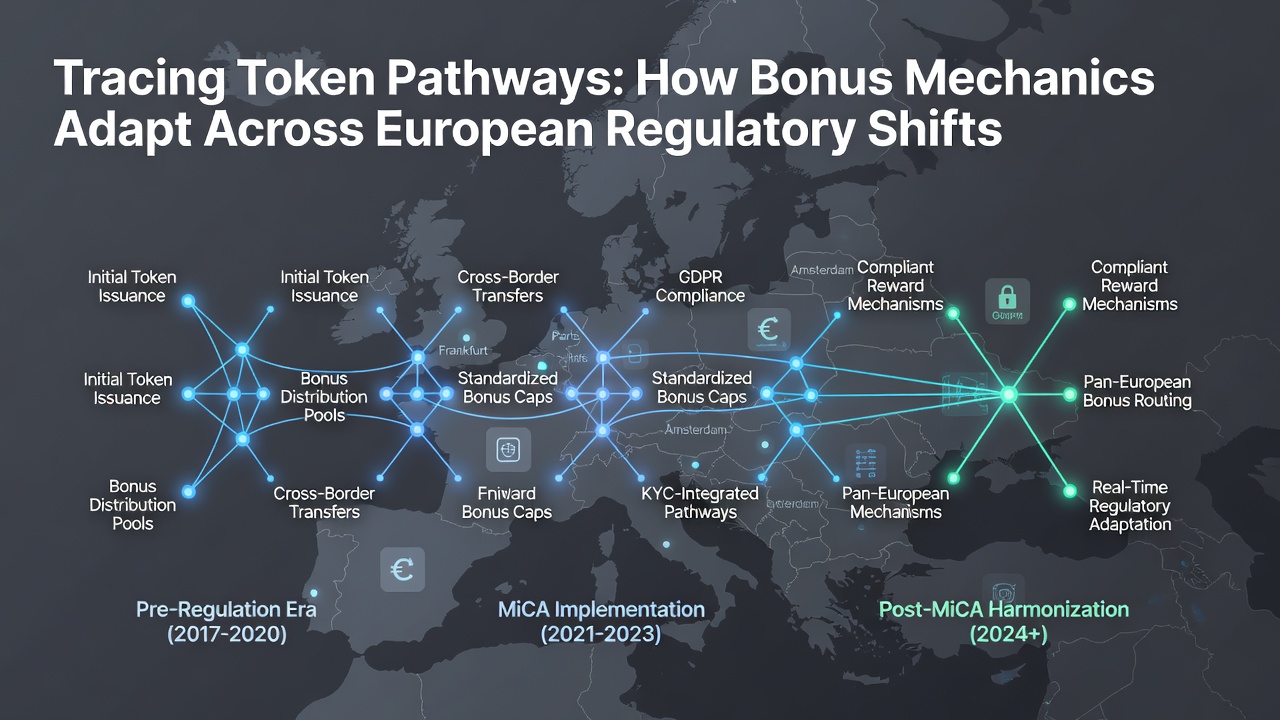
European regulators have adjusted frameworks for bonus systems in online gaming markets, and operators respond by reconfiguring how tokens move from initial allocation through player accounts and into redemption stages. These pathways involve layered tracking mechanisms that record each transfer, conversion, and expiration event while meeting jurisdiction-specific rules on wagering requirements and payout limits. Data from multiple national authorities show consistent patterns where token lifecycles shorten or extend based on caps introduced in updated statutes.
Regulatory Milestones Shaping Token Structures
Countries across the continent implemented staggered changes starting with Germany’s 2021 interstate treaty that capped welcome bonuses and required separate wallet segregation for bonus and deposit funds. The Netherlands followed with its 2021 remote gambling act that mandated real-time reporting of all bonus issuances to the central regulator. Observers note that these early shifts forced operators to build modular token engines capable of toggling rulesets by player location. By September 2026 additional provisions scheduled under the revised EU consumer protection directive are expected to introduce cross-border data sharing requirements for bonus histories, prompting further architecture updates.
Token pathways now typically begin at the point of award where a unique identifier attaches to each unit and travels through a sequence of states: pending verification, active wagering, locked redemption, and final clearance or forfeiture. Systems log every state change against regulatory thresholds such as maximum stake per spin or total bonus value relative to deposit size. Research from the European Gaming and Betting Association indicates that operators maintaining separate token ledgers reduced compliance incidents by 34 percent compared with unified wallet models during 2024 audits.
Technical Adjustments in Bonus Engines
Developers integrated geofencing logic that detects player jurisdiction at login and applies the corresponding token ruleset before any bonus activates. This prevents accidental issuance of non-compliant offers and routes tokens into jurisdiction-specific sub-accounts. Multi-jurisdiction platforms use API calls to pull current regulatory parameters from centralized databases maintained by national authorities, allowing real-time updates without full code redeployment. One documented case involved a major platform that adjusted token expiration timers from 30 days to 14 days across Swedish player accounts after Spelinspektionen revised its guidelines in early 2025.
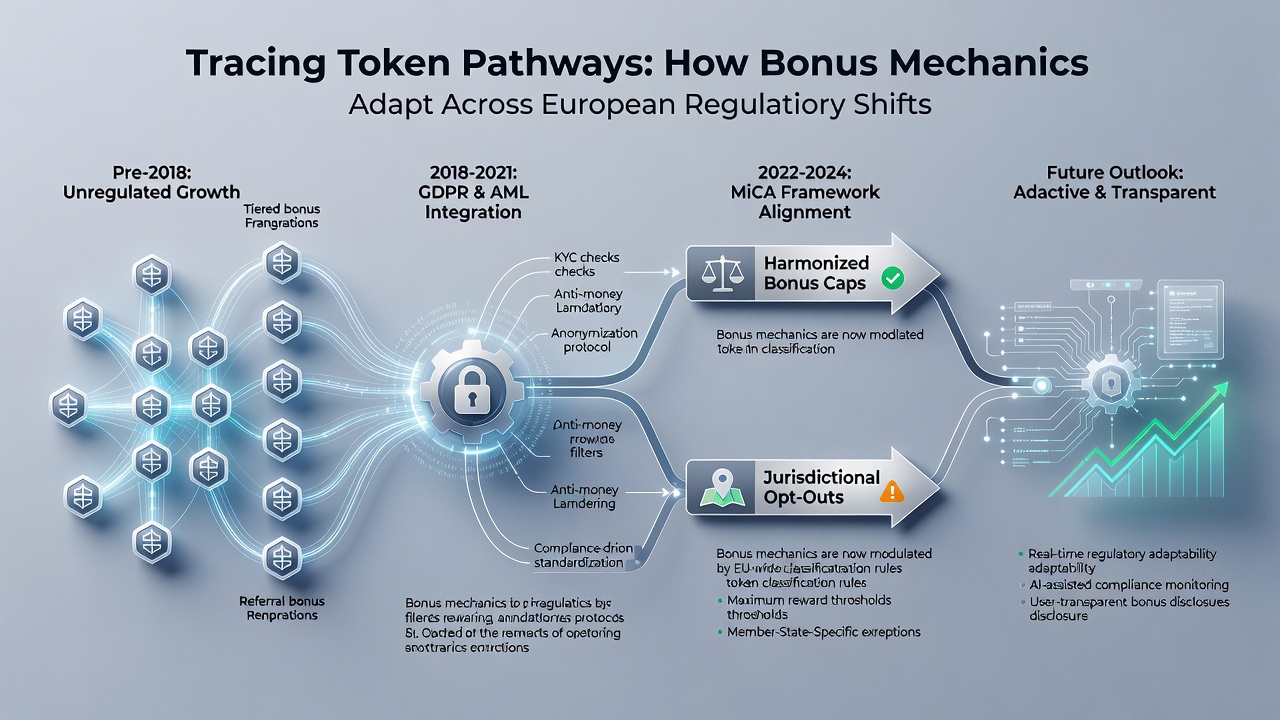
Smart contract elements appear in some newer implementations where token movement follows predefined conditions encoded on permissioned ledgers. These conditions mirror statutory requirements such as mandatory wagering multiples or maximum win caps. When a player attempts redemption, the contract evaluates accumulated wagers against stored thresholds and either releases funds or extends the locked period. Figures released by the Dutch Kansspelautoriteit reveal that automated compliance checks caught 19 percent more violations in the first quarter of 2025 than manual review processes had identified the previous year.
Cross-Border Data Requirements and Operator Responses
Operators serving multiple markets maintain audit trails that satisfy simultaneous access requests from different regulators. Token histories include timestamps, originating promotion codes, player identifiers, and conversion events that authorities can query through standardized reporting formats. The upcoming September 2026 EU provisions will expand these trails to include aggregated anonymized datasets for market-wide analysis, requiring platforms to implement additional encryption layers and consent management modules. Industry reports from the Remote Gambling Association document that 62 percent of surveyed operators already run pilot programs for enhanced data segmentation in preparation.
Redemption pathways have grown more intricate as regulators introduce cooling-off periods between bonus clearance and cash withdrawal. Tokens reaching the final state must pass through an intermediate holding period during which no further wagering occurs. Systems automatically flag accounts that attempt to bypass this interval and route them to manual review queues. Such mechanisms emerged after several national agencies identified patterns of rapid cycling that circumvented intended player protection measures.
Conclusion
European regulatory evolution continues to drive incremental redesigns of token pathways inside bonus systems. Operators track each unit through defined states while embedding jurisdiction-specific rules directly into the software layer. Data collection adn reporting standards tighten ahead of the September 2026 updates, and platforms that maintain flexible, location-aware engines demonstrate higher rates of sustained compliance across markets.