14 Oct 2026
How Regional Player Data Influences Spin Bonus Customization Across Gaming Platforms

Regional player data shapes spin bonus customization on gaming platforms through detailed analytics that track engagement patterns, preferred game types, and redemption behaviors in specific geographic areas. Platforms collect information on deposit frequencies, session durations, and response rates to various bonus structures, then apply these insights to adjust parameters such as free spin quantities, wagering multipliers, and eligible titles. This approach allows operators to align offers with documented preferences observed in markets ranging from North America to Asia-Pacific regions.
Data Collection and Regional Segmentation
Operators gather player data through platform telemetry and third-party analytics tools that segment users by location, device type, and historical activity. In October 2026 several major platforms reported expanded use of location-based APIs to refine these segments further, incorporating real-time signals from mobile networks and payment processors. Studies from research institutions such as the University of Nevada's gaming analytics program show that European players tend to favor bonuses tied to high-volatility slots while North American users demonstrate stronger engagement with lower-wagering requirements on progressive jackpot titles.
Segmentation models divide audiences into clusters based on average bet sizes and time-of-day activity peaks, which vary significantly between time zones. Platforms apply machine learning algorithms to these clusters, generating customized bonus templates that reflect observed differences in redemption speed and repeat-play rates. Data from the Australian Communications and Media Authority indicates that players in Oceania respond more consistently to time-limited spin offers compared with those in other regions where extended validity periods produce higher completion rates.
Customization Mechanisms Across Platforms
Customization occurs through backend rule engines that modify bonus parameters before offers reach individual users. These engines reference regional datasets to alter spin quantities, minimum deposit thresholds, and game weighting factors. For instance, platforms serving Southeast Asian markets often increase the number of spins per bonus while reducing the associated playthrough requirements, patterns that align with documented player retention metrics in those territories.
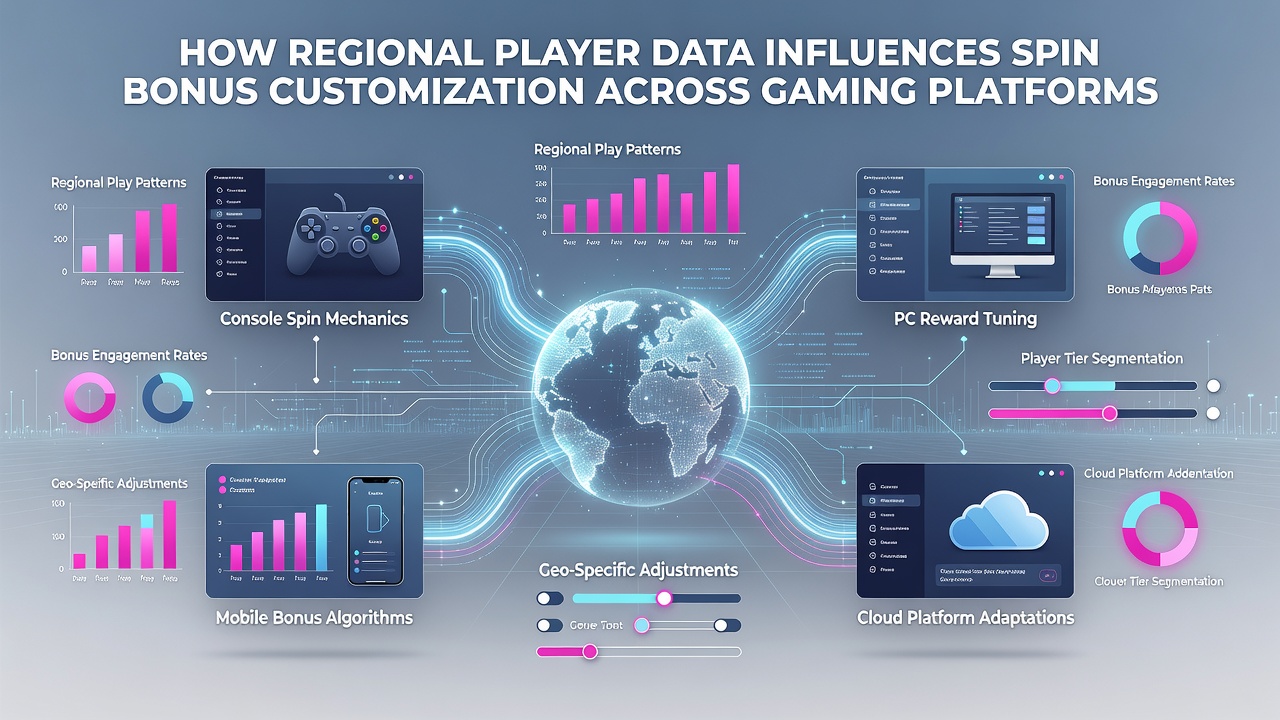
Cross-platform integration allows operators to synchronize adjustments across desktop and mobile environments, ensuring consistent delivery of regionally tuned offers. European regulatory frameworks require transparency in these modifications, prompting platforms to maintain audit logs that link specific data inputs to output changes. Observers note that this documentation supports compliance while enabling iterative refinement of bonus logic based on performance feedback loops.
Regulatory and Market Influences
Regulatory bodies in multiple jurisdictions impose requirements on how player data may inform bonus structures, affecting customization scope. The Malta Gaming Authority maintains guidelines that emphasize responsible use of behavioral data, requiring operators to demonstrate that adjustments do not encourage excessive play. Similar provisions appear in Canadian provincial frameworks, where data-driven customization must include player protection features such as spending limit prompts tied to bonus usage patterns.
Market competition further drives differentiation, as platforms monitor competitor offers within each region and adjust their own parameters accordingly. Trade reports from the European Gaming and Betting Association document how regional data sets enable operators to identify underserved player segments and deploy targeted spin bonuses that address those gaps without overlapping existing promotions.
Implementation Examples and Outcomes
One documented case involved a multi-jurisdiction operator that used regional datasets to modify spin bonuses for Latin American users, resulting in measurable increases in session length according to internal metrics shared at industry conferences. Another example from platforms active in Eastern Europe showed that adjusting bonus validity windows based on local holiday calendars produced higher redemption percentages than standardized global offers.
These implementations rely on continuous data pipelines that feed updated player statistics into customization algorithms on weekly cycles. Platforms maintain version control over bonus rules to track which regional adjustments correlate with improved engagement indicators across different regulatory environments.
Conclusion
Regional player data continues to drive targeted spin bonus customization through structured analytics and regulatory-compliant processes. Platforms integrate location-specific metrics to refine offer parameters, supporting varied player behaviors observed across global markets. Ongoing developments in data infrastructure and compliance standards shape how these customizations evolve while maintaining operational consistency across platforms.