28 Oct 2026
How Algorithmic Adjustments Drive Customization of Gaming Incentives Across International Casino Networks
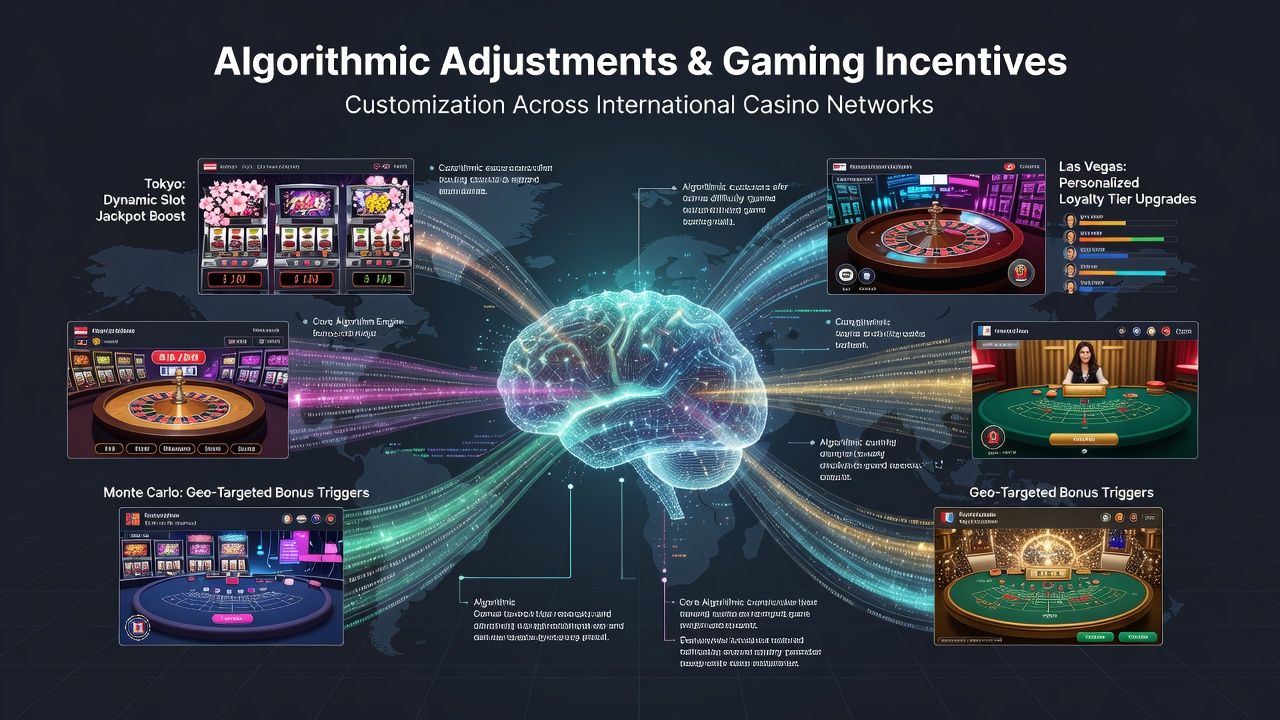
International casino networks rely on algorithmic systems that continuously refine incentive structures based on player data streams and jurisdictional requirements, and these adjustments create tailored offers such as loyalty multipliers or targeted reload packages while maintaining compliance across borders. Data from player sessions feeds into machine learning models that detect behavioral patterns, then recalibrate reward parameters in response to factors like session duration, wager volume, and geographic location.
Data Inputs Fueling Algorithmic Models
Player profiles incorporate variables ranging from deposit frequency to game preferences, and networks aggregate this information from multiple platforms to build predictive segments that trigger specific incentive types. Regulatory filings indicate that systems must account for restrictions in regions such as those overseen by the Nevada Gaming Control Board, where promotional mechanics face strict reporting rules, whereas operators in Australian jurisdictions follow guidelines from the Australian Communications and Media Authority that emphasize transparency in bonus terms.
Real-time processing allows adjustments during active play, so a player exhibiting high engagement in one market might receive an elevated cashback rate while another in a different regulatory environment sees modified wagering requirements applied to the same incentive category. Observers note that these models draw from historical datasets spanning years of transaction records, enabling networks to forecast redemption rates and adjust offer values accordingly.
Regional Adaptations in Practice
Networks operating across Europe, North America, and Asia-Pacific territories implement region-specific filters within their core algorithms, and these filters enforce local caps on incentive values or mandate particular disclosure formats. One European operator documented how its system shifted bonus structures following updates to Malta Gaming Authority directives in late 2025, resulting in altered free-play allocations for Italian and Spanish player cohorts. In contrast, Canadian platforms integrated similar logic to align with iGaming Ontario standards, producing customized deposit match percentages that varied by province.
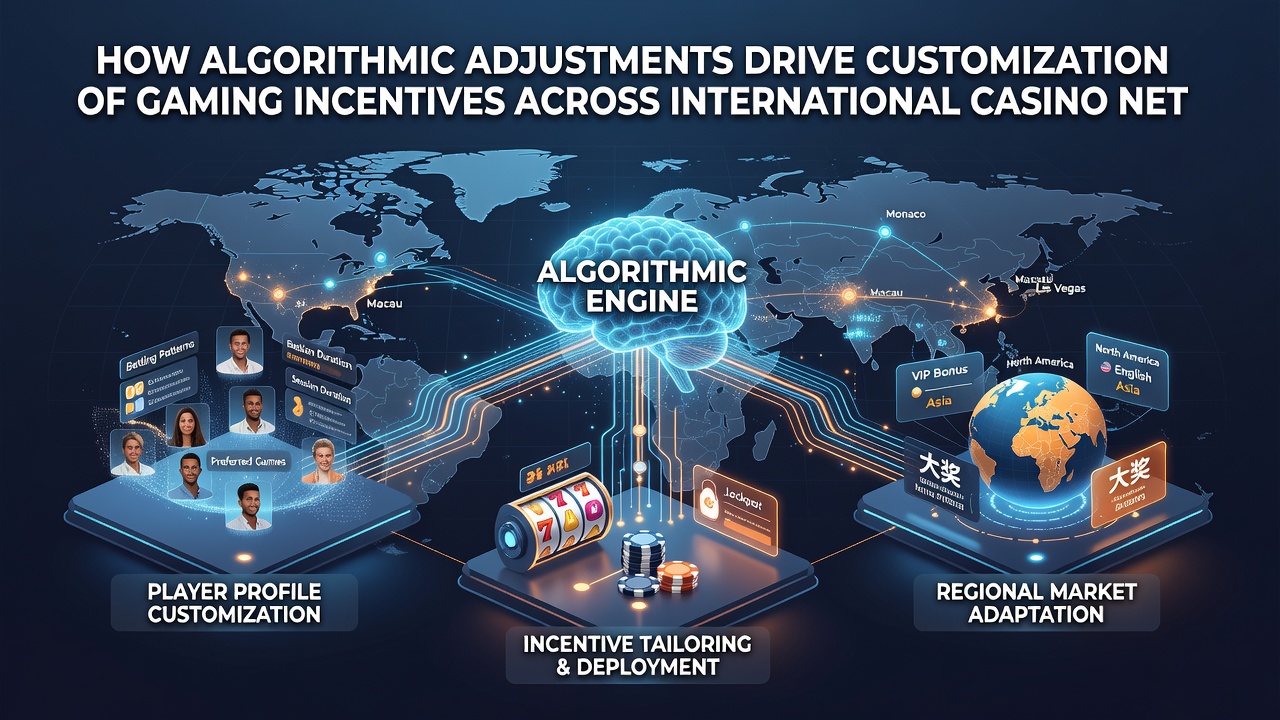
By October 2026, several major networks plan to expand cross-border data synchronization protocols, allowing algorithms to incorporate emerging compliance signals from additional markets without disrupting existing personalization flows. Research from the International Gaming Institute at the University of Nevada, Las Vegas shows that such synchronization reduces variance in incentive delivery times across time zones, and it supports consistent player experiences even when operators migrate accounts between licensed entities.
Technical Mechanisms Behind Adjustments
Gradient boosting frameworks and reinforcement learning loops form the backbone of these systems, processing inputs at sub-second intervals to test incentive variants against control groups. A network might run parallel experiments where one cohort receives an algorithmically scaled tournament entry while another sees a static offer, then the model incorporates performance metrics to refine future distributions. This approach scales across thousands of player profiles simultaneously, and it relies on edge computing nodes positioned near major data centers to minimize latency during peak hours.
Integration with payment processors adds another layer, because algorithms factor in transaction success rates when determining whether to surface certain incentives to specific demographics. Those who've examined deployment logs report that fallback rules activate automatically when regional bandwidth constraints appear, preserving core functionality while deferring non-essential customizations.
Impact on Network-Wide Operations
Centralized dashboards give operators visibility into how adjustments propagate through affiliated brands, and aggregated analytics reveal correlations between incentive types and retention metrics across different regulatory climates. Trade data compiled by the American Gaming Association highlights that networks employing these dynamic systems record measurable shifts in average player lifetime value, particularly when algorithms account for seasonal fluctuations in gaming activity. Cross-network collaborations further enable shared learning, so insights derived from one jurisdiction inform model training for others without direct data transfer that would violate privacy statutes.
Conclusion
Algorithmic customization continues to shape incentive delivery in international casino networks through ongoing refinement of data pipelines and compliance modules, and the October 2026 horizon points toward tighter integration of predictive tools that respond to both player signals and regulatory evolution. Networks that maintain robust testing environments alongside these systems sustain operational flexibility while meeting diverse market demands.